
In modern manufacturing, efficiency and precision are critical, especially when producing components like electric motor coils, transformers, and inductors. A coil winding machine automatic is a game-changer in this sector, enabling factories to handle large-scale production with speed, consistency, and minimal human intervention. By automating the winding process, manufacturers can significantly reduce errors, maintain uniform coil quality, and meet high-volume demands without compromising performance.
Understanding Automatic Coil Winding Machines
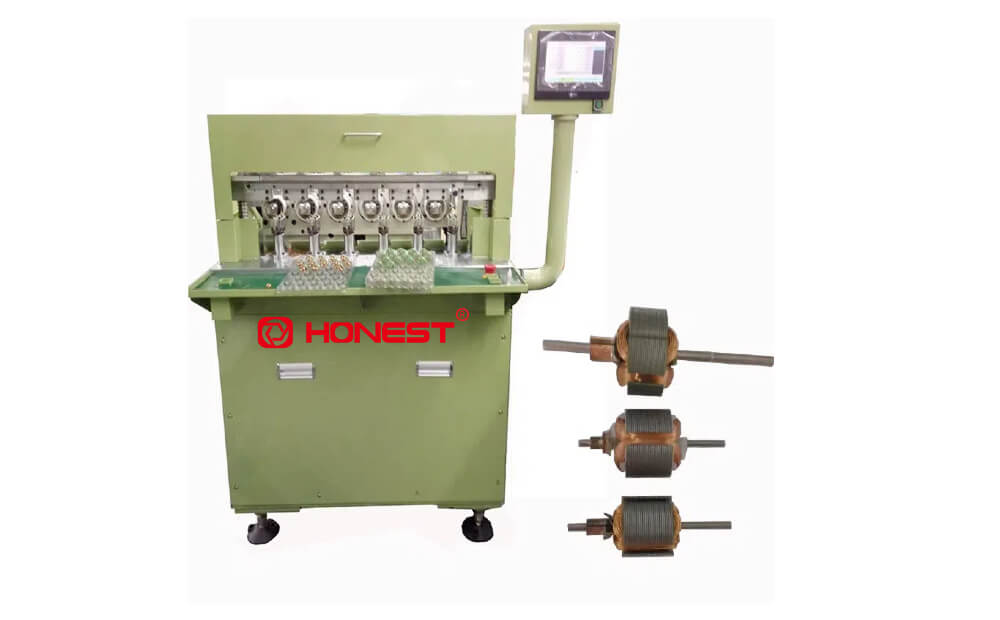
An automatic coil winding machine is a specialized piece of equipment designed to wind coils of wire onto cores, bobbins, or spools with minimal manual effort. Unlike manual winding, which can be slow and inconsistent, automatic machines control the speed, tension, and number of turns, ensuring every coil meets precise specifications. These machines are essential in industries where high-volume production and repeatable accuracy are critical.
Components of an Automatic Coil Winding Machine
- Wire Feed System: Ensures a continuous and controlled supply of wire to the winding area.
- Tension Control: Maintains uniform tension on the wire to prevent deformation or breakage.
- Programmable Winding Head: Guides the wire according to pre-set patterns and specifications.
- Control Panel: Allows operators to program winding parameters, monitor progress, and make adjustments in real time.
Benefits of Using Automatic Coil Winding Machines
Increased Production Speed
The most obvious advantage of an automatic coil winding machine is the dramatic increase in production speed. Manual winding is labor-intensive and time-consuming, especially for high-volume orders. Automatic machines operate continuously and at consistent speeds, drastically reducing the time required to produce each coil while allowing for simultaneous winding of multiple coils in some advanced systems.
Consistent Quality and Precision
Uniformity in coil dimensions and wire turns is crucial for the performance of electrical devices. Automatic coil winding machines precisely control the number of turns, winding pattern, and wire tension, resulting in high-quality coils with minimal variance. This level of consistency is nearly impossible to achieve manually, particularly when dealing with large production volumes.
Reduced Labor Costs
Automating the winding process reduces the dependency on skilled manual labor. While operators are still needed to set up, monitor, and maintain the machines, fewer workers are required for large-scale production. This reduction in labor costs allows manufacturers to reallocate human resources to other critical areas, such as assembly, quality control, or research and development.
Flexibility and Versatility
Modern automatic coil winding machines are highly versatile, capable of producing a wide variety of coil sizes, wire gauges, and winding configurations. This adaptability allows manufacturers to switch production between different products quickly, minimizing downtime and maximizing throughput. Whether producing small coils for electronics or large coils for industrial motors, these machines can handle the challenge efficiently.
Key Features That Enhance Efficiency
Programmable Winding Patterns
Advanced machines allow operators to program winding patterns in advance. These patterns can be stored in the machine’s memory and recalled as needed. This feature enables rapid transitions between product types and ensures each coil adheres strictly to specifications, reducing mistakes and material waste.
Automatic Wire Tension Control
Maintaining consistent wire tension is critical for coil performance and longevity. Automatic coil winding machines use tension control mechanisms to prevent wire slack, breakage, or uneven winding. This feature ensures that every coil produced is of high quality and capable of performing reliably in its intended application.
Real-Time Monitoring and Error Detection
Some automatic coil winding machines include sensors and monitoring systems that detect irregularities during the winding process. These systems can identify issues such as wire misalignment, breakage, or incorrect winding patterns, allowing operators to intervene immediately. Real-time monitoring minimizes scrap rates and ensures continuous, uninterrupted production.
Multi-Functional Capabilities
Certain machines can handle multiple functions, such as simultaneous winding of several coils, automatic layering, and insulation wrapping. These multi-functional capabilities further enhance efficiency, making it possible to meet high-volume production targets without increasing operational complexity.
Implementing Automatic Coil Winding Machines in Production
Evaluating Production Needs
Before integrating an automatic coil winding machine into a production line, manufacturers should assess their requirements. Factors to consider include production volume, coil sizes, wire types, and the level of precision needed. This evaluation ensures the chosen machine aligns with manufacturing goals and maximizes return on investment.
Training and Skill Development
Even automated machines require skilled operators to manage setup, programming, and maintenance. Proper training ensures that staff can operate the machines efficiently, troubleshoot minor issues, and maintain consistent production quality.
Maintenance and Longevity
Regular maintenance is essential to keep automatic coil winding machines performing at their best. Cleaning, lubrication, and inspection of mechanical and electronic components prevent breakdowns and extend the machine’s lifespan. A well-maintained machine delivers reliable output, reduces downtime, and supports high-volume manufacturing objectives.
Integration with Existing Production Lines
Automatic coil winding machines can be integrated into broader production lines, working alongside assembly, testing, and packaging equipment. Seamless integration allows for smoother workflow, higher throughput, and better overall operational efficiency.
Real-World Impact on Manufacturing
Manufacturers using automatic coil winding machines report substantial gains in productivity, product quality, and operational efficiency. Production cycles are shorter, defect rates are lower, and labor costs are reduced. Companies can meet growing market demand quickly without compromising standards, making high-volume manufacturing more sustainable and profitable.
Conclusion
Investing in a coil winding machine automatic from reliable coil winding machine manufacturers enables manufacturers to achieve high-volume production efficiently and consistently. These machines combine speed, precision, and versatility, reducing manual labor while ensuring superior coil quality. By integrating automatic coil winding machines into production lines, manufacturers can optimize operations, lower costs, and remain competitive in a demanding industrial landscape.