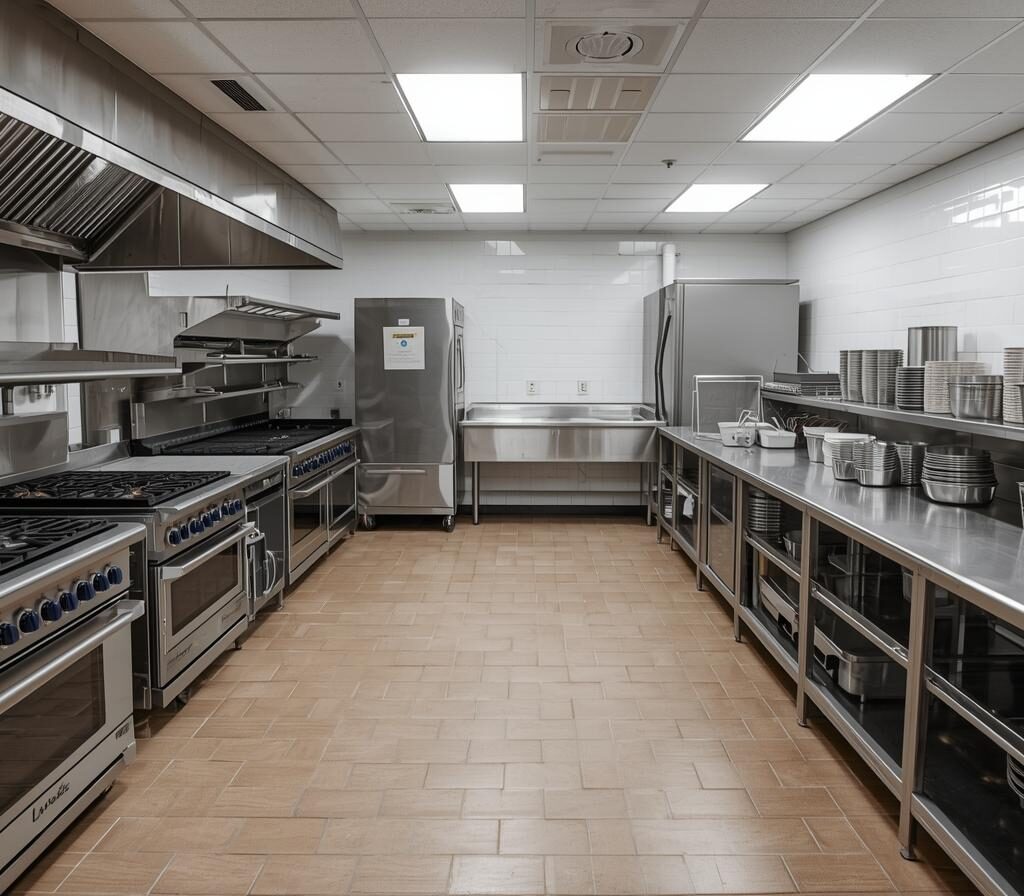
Opening or upgrading a restaurant is an exciting journey, but it also requires smart decisions—especially when it comes to buying restaurant equipment. The right equipment can make your kitchen run smoothly, keep your staff happy, and ensure your customers get the best dining experience. However, investing in commercial equipment can be costly, so it’s essential to make well-informed choices.
Whether you’re starting a new restaurant, café, or bakery, or expanding an existing one, this guide will help you understand what to consider before making your investment. Let’s take a closer look at what really matters before you spend your money.
Understand Your Restaurant’s Needs
Before making any purchase, start by listing the essential equipment your business truly needs. Every restaurant is different, so what works for a fast-food outlet may not work for a fine dining establishment.
Ask yourself questions like:
- What’s on your menu?
- How many customers do you expect daily?
- What kind of cooking methods will your chefs use?
For example, a pizzeria will require ovens and dough mixers, while a coffee shop will need espresso machines and Coffee, Tea, & Equipment. Focusing on your menu helps you avoid unnecessary purchases.
Quality Over Quantity
When it comes to restaurant equipment, quality always beats quantity. It’s tempting to buy cheaper options to save money, especially when starting. However, investing in durable, high-quality equipment can save you a lot in the long run. Good-quality machines and tools tend to last longer, perform better, and require fewer repairs. They also use less energy, which can reduce your utility bills. Choose stainless steel equipment—it’s durable, easy to clean, and heat-resistant. Check reviews, consult other owners, and test products when possible. Reliable brands also offer warranties and support.
Consider the Size of Your Kitchen
It’s easy to get excited and buy large or advanced equipment, but space matters. Always measure your kitchen area before placing any order. Make sure the equipment fits comfortably without blocking walkways or creating safety hazards. Your staff should be able to move around easily while preparing food. A cluttered kitchen can slow down operations, increase accidents, and affect efficiency. Also, consider the placement of electrical outlets, gas lines, and ventilation systems before installation. Proper planning helps ensure your kitchen runs smoothly without unnecessary adjustments later.
Safety and Compliance
Before investing in any equipment, ensure it meets all safety and health standards required in your area. In the USA, restaurants must follow local, state, and federal regulations related to food handling and equipment use. Look for NSF or UL certifications to ensure equipment is safe for commercial use. Features like auto shut-offs, insulated handles, and anti-slip surfaces help prevent accidents and keep your workplace safe.
Maintenance and Ease of Cleaning
Commercial restaurant equipment must be cleaned regularly to maintain hygiene and prevent breakdowns. When shopping, consider how easy it is to clean and maintain each item. Equipment with removable parts, smooth surfaces, and accessible areas makes cleaning faster and more effective. Stainless steel models are especially easy to maintain and sanitize. It’s also wise to check if the manufacturer offers maintenance support, spare parts availability, and easy repair options. A machine that’s difficult to service can cause delays and add extra costs over time.
Budget Wisely
While quality is essential, sticking to your budget is equally important. Start by estimating how much you can spend and prioritizing your purchases. Focus on must-have items first—like refrigerators, ovens, and cooking ranges—before moving to extras. Sometimes, gently used or refurbished equipment can be a smart option. Many suppliers sell pre-owned items that are still in great condition and come with warranties. However, always scrutinize them or buy from trusted vendors to avoid future problems.
Vendor Reputation and Support
Choosing the right supplier is just as important as choosing the right product. Work with vendors who specialize in commercial kitchen equipment and have a good track record. Reputable suppliers often provide installation services, training for your staff, and ongoing customer support. They also help you find the right tools for your specific business type. It’s a good idea to compare quotes from multiple vendors. Don’t just look at price—consider warranty, delivery time, and after-sales service.
Plan for Future Growth
When investing in restaurant equipment, think long-term. Your restaurant might expand or change its menu over time, so choose equipment that can adapt to future needs. For example, modular kitchen systems are flexible and can be rearranged or expanded easily. Equipment that can handle larger volumes or different cooking styles gives your business room to grow without constant replacements.
Warranty and After-Sales Service
Before finalizing your purchase, always check the warranty details. A good warranty gives you peace of mind in case something goes wrong. Some warranties cover parts only, while others include labor and repairs. Also, ask about after-sales service—does the company offer regular maintenance, spare parts, or technical help? Reliable after-sales support ensures your operations stay smooth even if problems arise.
Conclusion
Investing in commercial restaurant equipment is one of the biggest decisions you’ll make when running a food business. By considering your needs, space, budget, quality, and safety, you can create a kitchen that’s efficient, cost-effective, and ready to serve customers for years to come. Take time to research and plan—the right equipment builds your restaurant’s foundation. For trusted hospitality products and reliable service in the USA, choose Linen Plus.