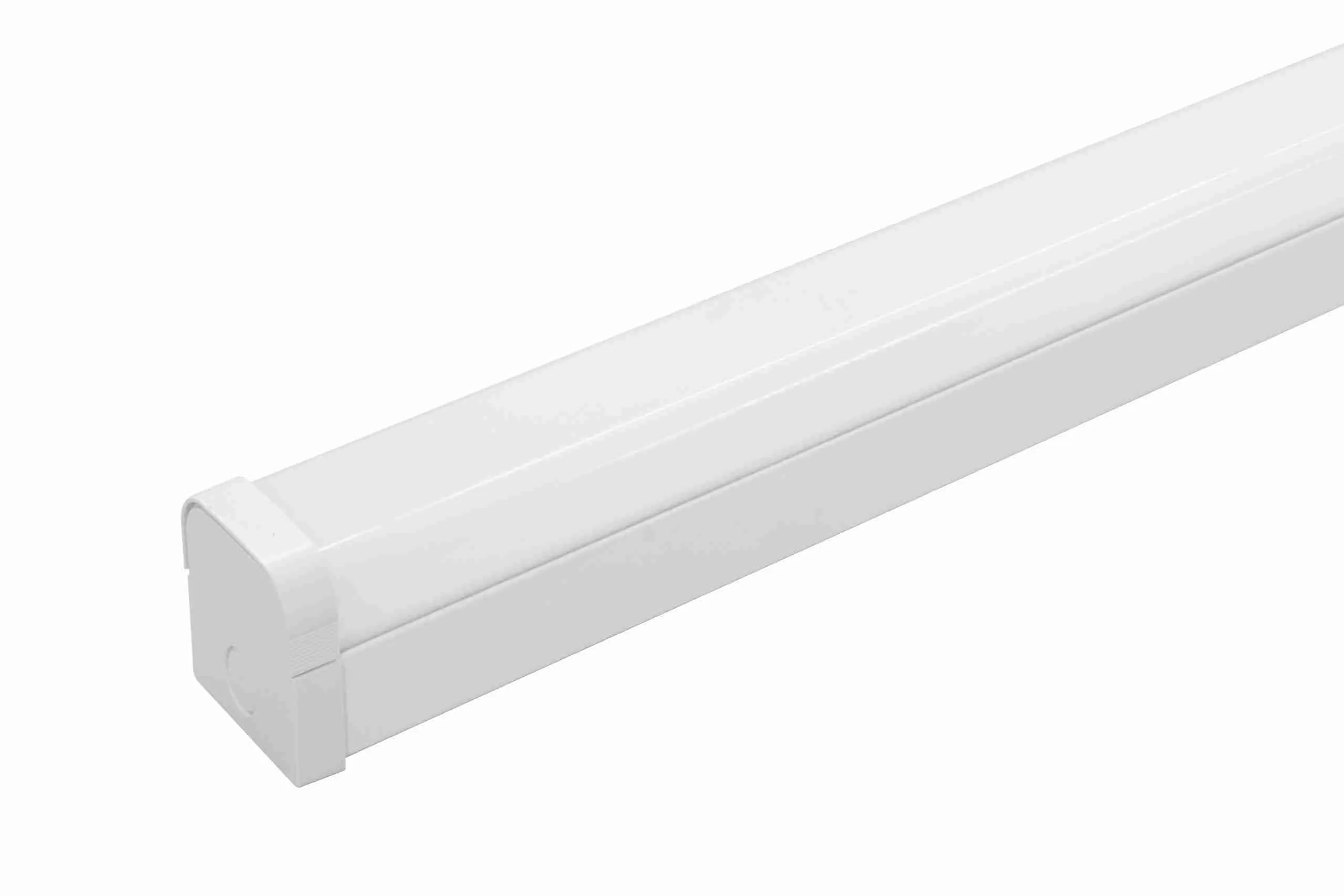

A good LED batten light does not try to steal the show. It just does the job well, day after day.
That is exactly why buyers keep coming back to batten-style lighting. It is clean, efficient, easy to install, and practical in spaces where bright, even light matters more than decoration.
What Makes an LED Batten Light Worth Choosing
An LED batten light is a linear fixture designed for straightforward, dependable illumination. In plain terms, it gives you a slim, modern lighting body with broad light coverage and a clean look that works in both commercial and industrial settings.
That balance matters. You get a fixture that feels light in appearance, but solid in performance. For projects that need dependable lighting across long runs, this style is often the easiest choice.
Why LED Batten Light Fixtures Work So Well in Real Projects
The best part of a LED batten light is how versatile it is.
It fits neatly into spaces like warehouses, basement corridors, utility rooms, parking zones, workshops, and service areas. It also makes sense in commercial areas where clean ceiling lines and stable illumination are part of the plan.
When the job calls for reliable brightness without complicated setup, a batten light keeps the process efficient from purchase to installation.
A Practical Choice for Commercial and Industrial Lighting
For buyers, the appeal is simple: low hassle, strong value, and broad use.
A LED batten light is often selected because it helps reduce maintenance pressure, supports energy-saving goals, and delivers a neat visual finish. In larger projects, that combination saves time, simplifies sourcing, and keeps the lighting plan easy to manage.
For factories, distributors, and contractors, it is the kind of product that moves well because it answers a real need.
Surface-Mounted, Wall-Mounted, and Select Suspended Options
Installation flexibility is another reason the LED batten light stays popular.
Depending on the project, it can be used as a surface-mounted fixture, wall-mounted fixture, or in select suspended applications. That makes it easier to match different site conditions without complicating the build.
In other words, you are not forced into one rigid setup. You can work with the space you already have.
Built for Projects That Need More Than Basic Light
Some spaces need a standard linear light. Others need more protection.
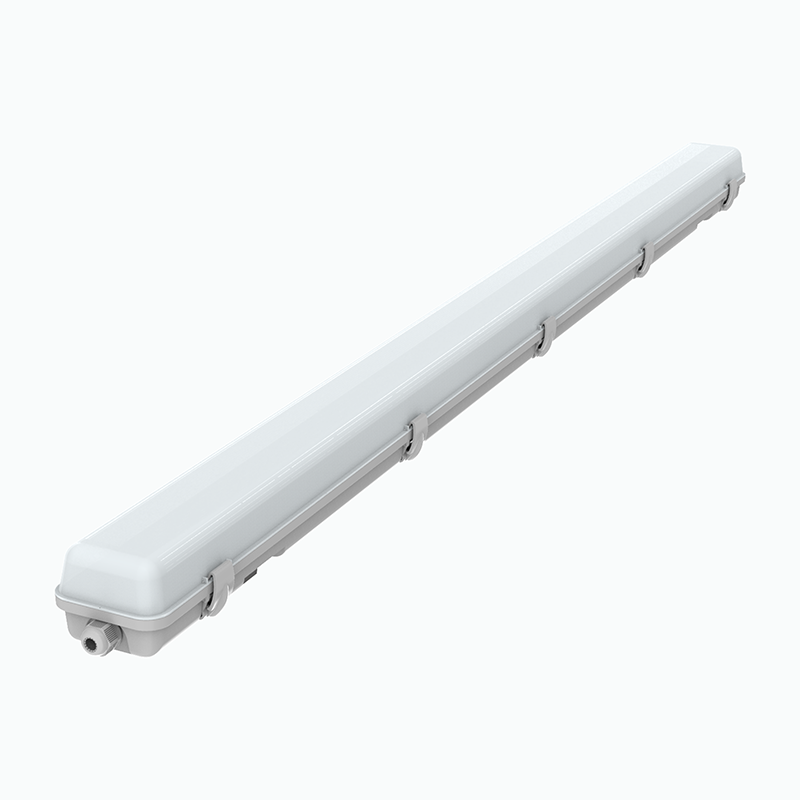
That is where weatherproof and vapor-tight versions become important. In tougher environments, a sealed lighting design helps keep performance steady where dust, moisture, or daily wear can be part of the picture.
For industrial buyers, that is not a luxury. It is common sense.
COMLED LED Batten Light Supply for Bulk Orders
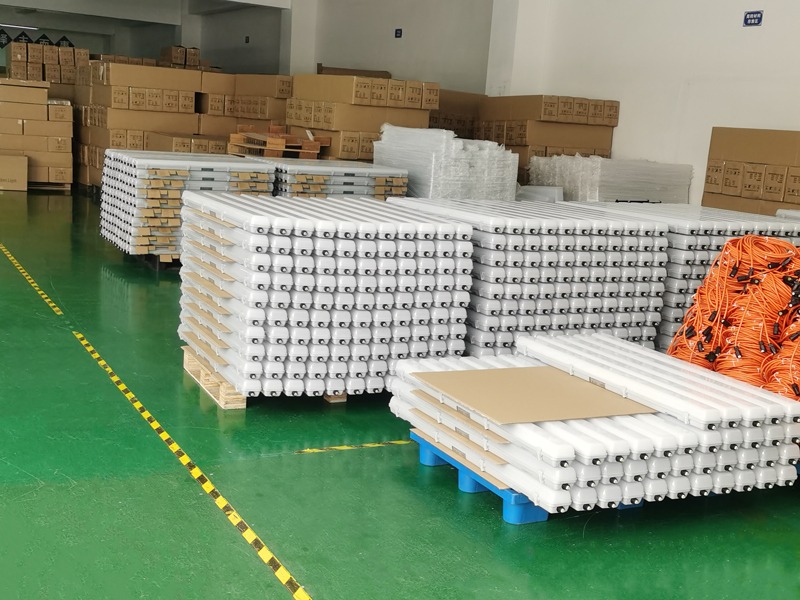
COMLED focuses on factory-direct supply, which matters when the order volume is growing and the timeline is tight.
If the project needs customization, our approach is built around that. Different wattages, different installation needs, and different application demands can all be matched more easily when the product is designed with flexibility in mind.
For sourcing teams, that means fewer compromises and a smoother path from sample to shipment.
Common Configuration Points Buyers Ask For
A strong LED batten light project usually comes down to a few details: wattage, mounting method, light output, and environment.
For many commercial and industrial applications, common rated power options include 18W, 36W, and 44W. These options help buyers align lighting performance with room size, ceiling height, and overall layout.
That kind of range makes planning much easier, especially when the same product family must serve several different project types.
Where a LED Batten Light Fits Best
This type of fixture is a natural fit for:
Warehouse aisles
Underground parking areas
Basement corridors
Workshops
Storage rooms
Plant rooms
Commercial back-of-house areas
It is the sort of lighting that supports the space without distracting from it. Clean, efficient, and built for routine use.
Why Buyers Keep Returning to Batten-Style Lighting
A LED batten light is not just about brightness. It is about consistency.
When a buyer is managing multiple locations, repeat orders, or a large rollout, consistency matters just as much as output. The fixture needs to look uniform, install cleanly, and perform reliably across the full project.
That is why batten lights remain a safe, practical choice for professionals who want fewer surprises and better control.
Looking for a Reliable LED Batten Light Partner
If your project needs a lighting product that is easy to specify, easy to install, and easy to scale, a LED batten light is a strong place to start.
COMLED supports OEM and bulk supply needs with a factory-direct approach built for commercial and industrial buyers. From standard configurations to custom requirements, the goal is the same: deliver a fixture that fits the project, not the other way around.
Frequently Asked Questions
What is a LED batten light used for?
A LED batten light is used for general illumination in commercial and industrial spaces. It works especially well in warehouses, corridors, parking areas, storage rooms, and utility environments.
Is a LED batten light good for warehouses?
Yes. It is one of the most practical choices for warehouses because it provides wide, even light and a clean linear layout that suits long aisles and open working areas.
Can LED batten lights be mounted in different ways?
Yes. Depending on the model and project need, a LED batten light can be surface-mounted, wall-mounted, or used in select suspended applications.
What wattages are available for LED batten light projects?
Common rated power options include 18W, 36W, and 44W, which help match different room sizes and lighting demands.
Are LED batten lights suitable for harsh environments?
They can be, especially in weatherproof or vapor-tight versions designed for spaces where moisture, dust, or demanding daily use are a concern.
Why choose COMLED for LED batten light supply?
COMLED offers factory-direct supply, customization support, and bulk-order readiness, which makes it a practical option for distributors, contractors, and project buyers.