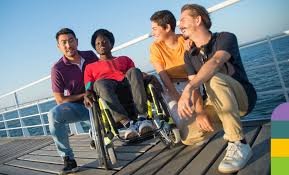
Community involvement is an important part of everyday life. It helps people feel connected, builds confidence, and supports emotional well-being. For people with disabilities, staying involved in the community is not always easy. Barriers can appear in many forms. Transport can be difficult. Support may not be available. Social spaces may not feel accessible. This is where the National Disability Insurance Scheme plays a strong role, and NDIS funding is designed to support inclusion. It helps participants take part in social, recreational, and everyday activities. It focuses on choice, independence, and belonging.
Below is a closer look at how this funding supports real community involvement.
Supporting Social Connections
Social connections are important. Strong connections reduce isolation. They boost mental health, and a sense of belonging is created. NDIS funding can support social activities. This includes group programs and one-on-one assistance. Participants can attend community events, join social groups, or take part in hobby clubs. Support workers provide guidance during these activities. This assistance helps people feel comfortable. Confidence grows over time. Friendships develop naturally. Everyone feels seen and valued.
Access to Community Programs
Many community programs are open to everyone. But not everyone can access them without help. NDIS funding can support participation in local programs. This may include art classes, music sessions, and sports or fitness groups. Support workers can help participants attend regularly. They can assist with communication, help with mobility, and encourage. This support allows participants to enjoy activities they choose. It also helps them build skills, and confidence grows with practice.
Building Life Skills Through Participation
Community involvement is not only social.
It also builds everyday life skills. NDIS funding supports activities that improve independence. This includes shopping trips, attending appointments, and learning to use public services. Participants gain real-world experience. Progress happens step by step.
Through community participation NDIS supports participants to build routines. They gain confidence outside their home and learn how to manage everyday situations. This leads to stronger independence.
Support for Employment and Volunteering
Work and volunteering create purpose. Help people feel useful and improve self-esteem. NDIS funding can support employment-related activities. This includes job readiness programs, workplace support, and volunteering opportunities. Participants may receive help with resumes. They may receive interview support or may receive on-the-job assistance. Volunteering is also valuable. It creates structure, builds confidence, and strengthens community connections. These experiences help participants feel included. They also support long-term goals.
Transport Support for Community Access
Getting around can be a major barrier. Without transport, participation remains limited. NDIS funding can help cover travel needs. Options include taxis, support worker rides, or travel training. Reliable transport opens up opportunities. Participants can join preferred activities. Daily routines stay on track. Social connections are maintained. Access to transport transforms daily life. New possibilities become available. Isolation decreases. Independence is supported. Getting around is often a major barrier. Without transport, involvement becomes limited.
Cultural and Recreational Inclusion
Everyone deserves to enjoy culture and leisure, such as festivals, religious events, and family gatherings. NDIS funding supports cultural participation. Participants can attend events important to them. Support workers can assist as needed. Recreational activities are also supported. This includes sports, outdoor activities, and creative pursuits. These experiences improve well-being, reduce stress, bring joy, and strengthen identity.
Tailored Support Based on Individual Goals
NDIS plans are tailored to each participant. They focus on personal goals and reflect unique interests. Community involvement goals vary. One person may want to make friends. Another may aim to boost confidence. Others might wish to learn new skills. NDIS funding supports these objectives. Assistance is flexible and adapts to individual needs. Participants maintain full control over their choices. This personalised approach makes a real difference. Support feels meaningful. Progress seems achievable. Outcomes become tangible and rewarding.
The Role of Support Workers
Support workers play a key role. They offer practical help and encouragement.
Also assist participants in community settings to help build confidence and respect personal choices. Good support workers promote independence. They do not take over and empower participants. Over time, participants feel more capable. They feel more confident and more included.
Long-Term Benefits of Community Involvement
Community involvement creates lasting change. It improves mental health, strengthens social skills, and builds independence. Participants develop stronger routines. They feel connected and feel valued. Families also benefit, care pressure reduces, confidence increases, and support feels balanced. These benefits grow over time. They impact daily life and support long-term wellbeing.
Conclusion
Community involvement is not a luxury. It is a basic part of living well. NDIS funding supports inclusion in meaningful ways, and it removes barriers, creates opportunities, and supports choice and independence.
With the right support, participants can engage fully. They can build connections and live active lives. Strong communities include everyone. NDIS funding helps make that possible.